skip to content

Cambridge Institute for Sustainability Leadership (CISL)

Read more at: Methane, Markets and Food How the Climate Emergency will drive an urgent focus on methane and what this means for the food and agricultural industries

Methane, Markets and Food How the Climate Emergency will drive an urgent focus on methane and what this means for the food and agricultural industries

Friday 22 April - Faced with the threat of irreversible tipping points in the climate system, humanity is looking for options to rapidly reduce the rate of warming - with the most viable approach being to dramatically reduce methane emissions.


Read more at: Preparing the runway for sustainable aviation
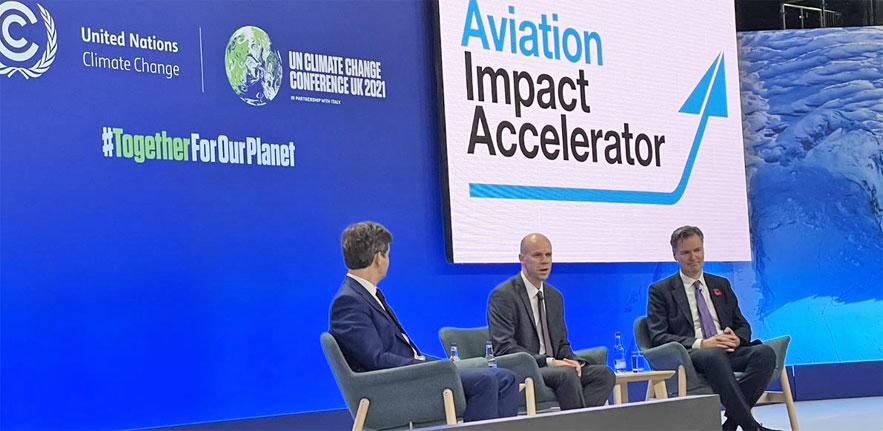
Aviation Impact Accelerator

Preparing the runway for sustainable aviation

26 January 2022 - Miruna Rapeanu and Beth Barker reflect on the challenges and the next steps for the Aviation Impact Accelerator following COP26.


Read more at: Living in the Climate Crisis: Young People in Uganda

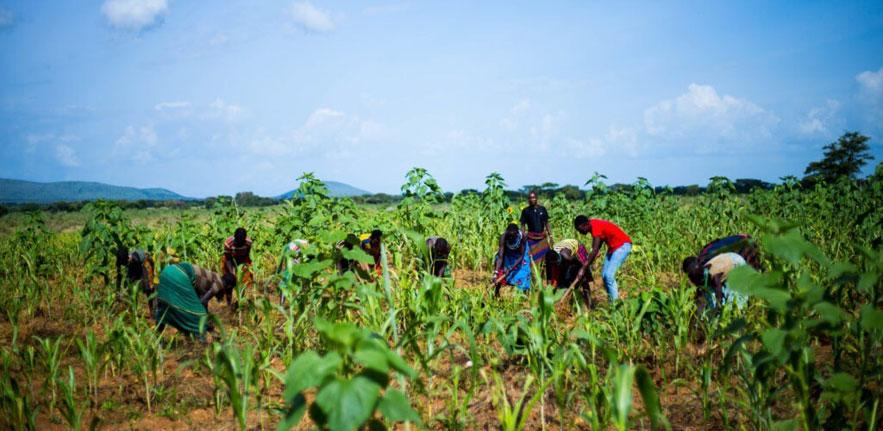
Living in the Climate Crisis: Young People in Uganda

5 November 2021 - This report documents the diverse livelihood strategies of young people living in Uganda, the impacts of climate change on their lives, and the adaptation and mitigation strategies that they have employed to address the crisis so far. By foregrounding views of young people, our research presents a vivid picture of how climate disruptions are already impacting young people.


Read more at: Targeting Net Zero: A strategic framework for business action
Targeting Net Zero

Targeting Net Zero: A strategic framework for business action

Introduction A net zero emission economy will be essential to maintain a stable global climate. The private sector has a critical role in delivering this and there is a growing body of evidence to demonstrate that it makes good business sense to act. Business action on climate change can inform...


Read more at: Climate talks will fail without more young people's voices
Tree planting

Climate talks will fail without more young people's voices

29 June 2021 – Anna Barford, CISL Research Fellow, reflects on why it is critical to engage diverse young people in decision making to find successful pathways to respond to climate change.


Read more at: Corporate Leaders Group Europe

Corporate Leaders Group Europe

Eliot Whittington, Executive Director, Chief Systems Change Officer Eliot leads CISL’s team that bridges between business and policymakers to bring about a more sustainable economy. He is Director of CISL’s Corporate Leaders Groups, leading the team behind both the European and UK Corporate Leaders...


Read more at: UK business and policy leadership for net zero: analysis of progress to reduce emissions

UK business and policy leadership for net zero: analysis of progress to reduce emissions

May 2021 – A report from University of Cambridge Institute for Sustainability Leadership analyses the progress the UK has made towards reducing emissions and meeting its 2030 targets, and looks at the role that policy and clear, sector-specific ambitions have played in supporting the transition.


Read more at: Brexit and UK climate leadership: The emerging opportunities and challenges

Brexit and UK climate leadership: The emerging opportunities and challenges

A report from University of Cambridge Institute for Sustainability Leadership examines the opportunities and challenges for climate leadership in the context of Brexit. 


Read more at: Developing the EU’s ‘competitive sustainability’ for a resilient recovery and dynamic growth

Developing the EU’s ‘competitive sustainability’ for a resilient recovery and dynamic growth

17 November 2020 – This thought-starter paper has been prepared with a view to sharing some initial ideas on the a concept of ‘competitive sustainability’, which lies at the heart of the European Green Deal (EGD) and the EU’s growth strategy. Upcoming investment and policy decisions, such as those on the Covid-19 Recovery and Resilience Plans (RRPs) and the new EU Industrial Strategy need to focus on this new approach to competitiveness to ensure the EU stands to secure advantage and benefit from the economic opportunities, jobs and emissions reductions from the transition to climate neutrality.


Read more at: Towards sustainable packaging materials: Examining the relative impact of materials in the natural source water and soft drinks value chain

Towards sustainable packaging materials: Examining the relative impact of materials in the natural source water and soft drinks value chain

20 April 2020 - A new report from the Cambridge Institute for Sustainability Leadership provides recommendations for businesses and government to help address the issue of eliminating plastic waste. The publication examines how companies from natural water and soft drinks sector can adopt a considered approach in their future packaging material decision making.